
Why Micro dosing GLP-1 Medication May Support Weight Maintenance
For many people, the challenge isn’t losing weight — it’s keeping it off.
Clinical experience and follow-up studies show that after stopping GLP-1–based treatment, appetite signals often return and weight regain can occur. This has led clinicians to explore whether a lower-intensity continuation approach may help support long-term stability.
One strategy gaining interest is microdosing — the use of very low, infrequent doses of GLP-1 medication, such as Liraglutide, within a maintenance framework.
Unlike therapeutic weight-loss dosing, micro dosing is not intended to drive further weight reduction. Instead, the aim is to provide a subtle physiological signal that helps the body maintain the behavioural and appetite changes established during active treatment.
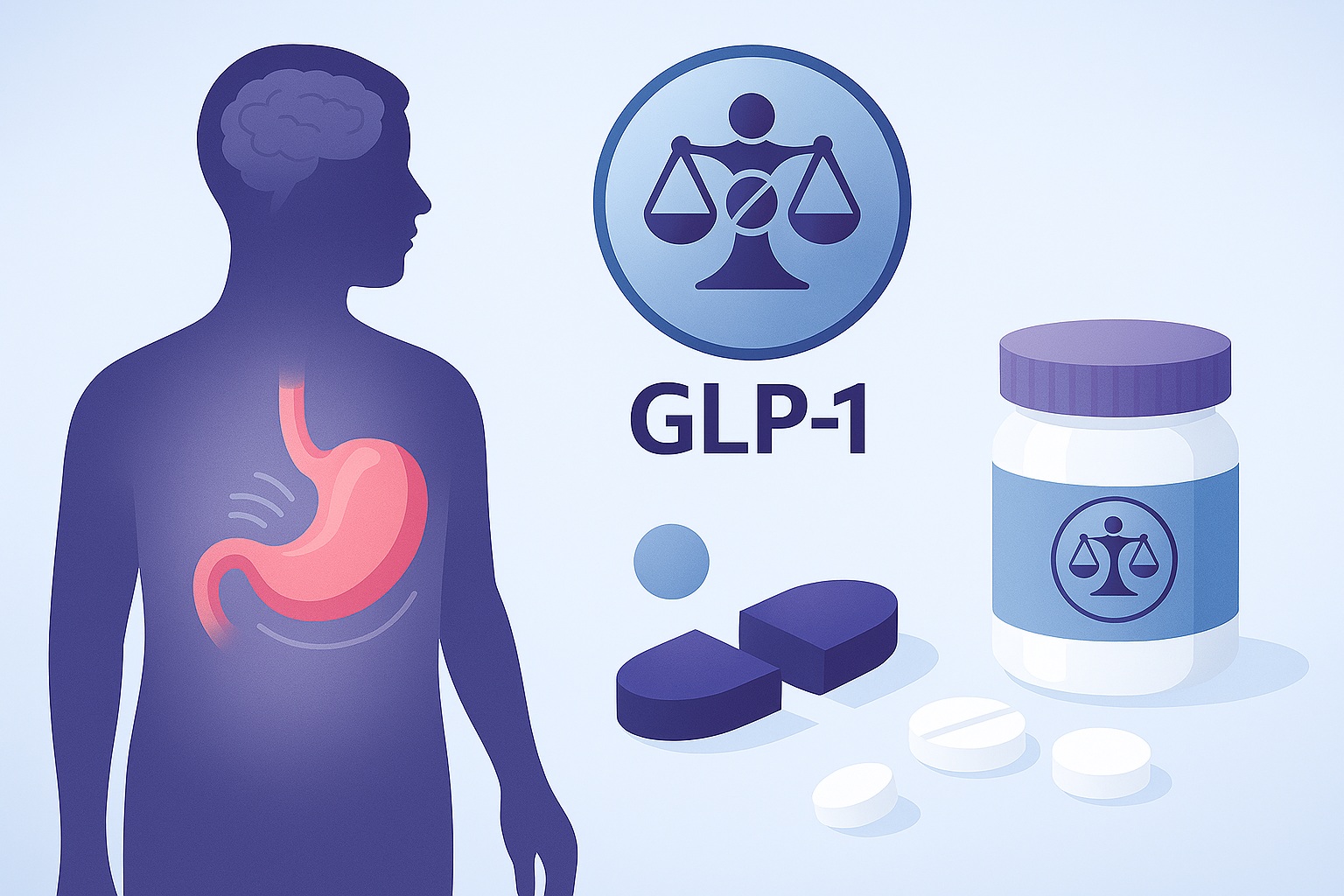
At lower doses, GLP-1 receptor activity may still contribute to:
- Gentle appetite regulation
- Reduced “food noise”
- Improved portion awareness
- Greater consistency in eating patterns
For individuals who have already reached their goal weight, this lighter-touch approach can feel more sustainable than continuing full therapeutic dosing — particularly over longer timeframes.
Microdosing may also help bridge the transition between active treatment and complete cessation. Rather than stopping abruptly, a gradual step-down model can provide reassurance while individuals consolidate lifestyle habits and weight stability.
It’s important to note that formal clinical trials specifically studying microdosing for maintenance remain limited. Any use of low-dose GLP-1 medication in this context is considered off-label and must be assessed individually by a qualified prescriber.
However, as weight management is increasingly recognised as a chronic, relapsing condition, interest in maintenance-focused strategies — including microdosing — continues to grow as part of a broader, long-term care model.
Related Resources
The Role of GLP-1 Medication in Modern Weight Management
The Role of GLP-1 Medication in Modern Weight Management Over…
Why Sublingual Delivery Is Being Explored in Weight Maintenance
Why Sublingual Delivery Is Being Explored in Weight Maintenance As…

Introducing the Eat Less Method
Losing weight is often seen as the hardest part of…