
Microdosing for weight maintenance
Microdosing is not about driving weight loss.
It’s about providing a gentle, consistent signal that helps reduce rebound appetite and “food noise” once weight loss is complete.
Why low-dose continuation is used clinically
- Starter-level doses (such as 0.25 mg weekly GLP-1 injections) are widely used to maintain tolerance and physiological signalling
- Continued exposure, even at lower intensity, is associated with better weight stability than complete discontinuation
- Lower doses are often better tolerated long term
Our service applies this principle using a carefully controlled, low-frequency oral format.
Dosing format (maintenance only)
Typical schedule:
- 0.2 mg sublingual tablet
- Twice weekly — Monday & Friday
- At least 3 months’ supply per order (30 tablets)
Optional variation (not routinely recommended):
Some individuals may use up to three times weekly (Mon/Wed/Fri).
This would last approximately 10 weeks from a 30-tablet supply.
⚠️ We do not recommend exceeding three doses per week within a microdosing maintenance approach.
Sublingual Delivery
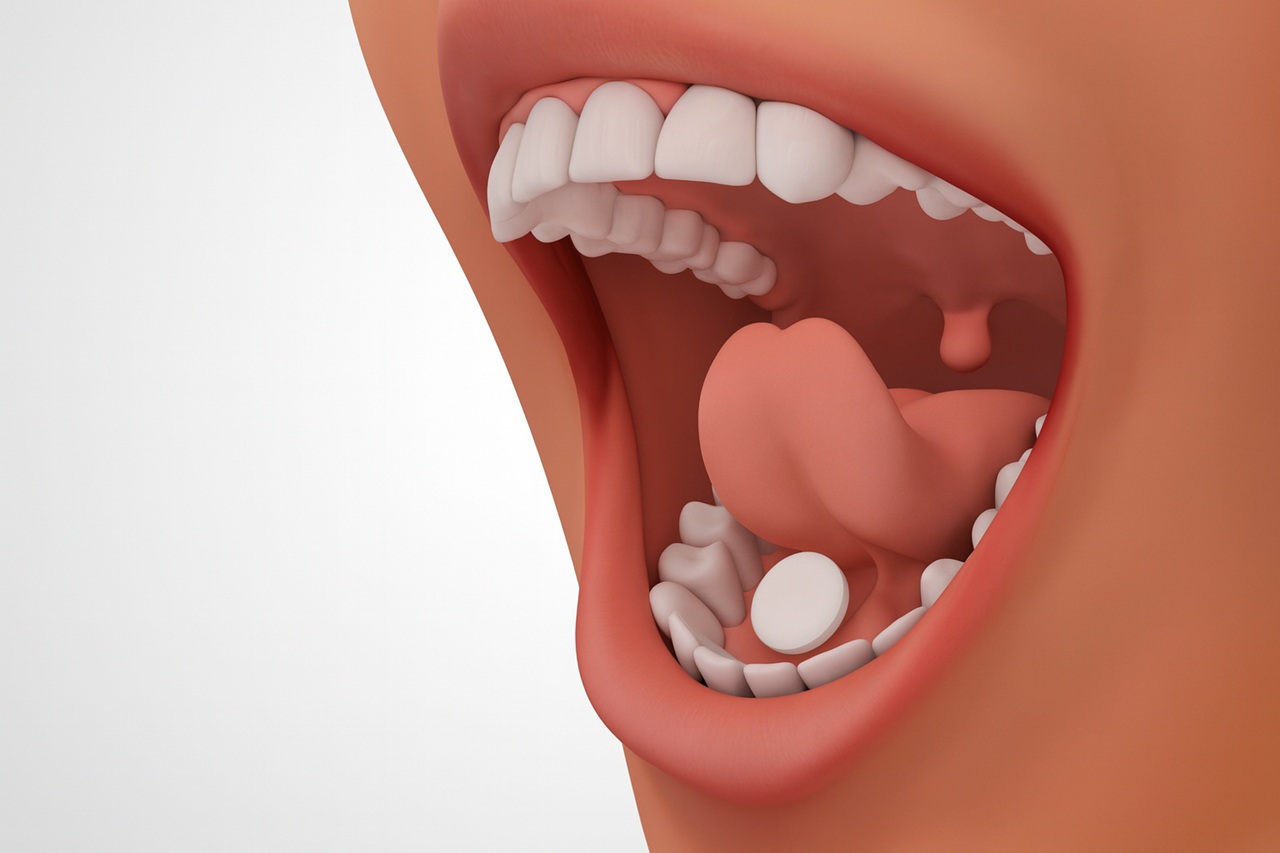
Why Sublingual?
Why sublingual?
Sublingual tablets dissolve under the tongue, rather than being swallowed or injected.
Practical advantages
- No injections
- Discreet and travel-friendly
- Simple routine that suits long-term use
- No refrigeration or cold storage
About absorption
Liraglutide is a peptide medicine. Peptide absorption via the mouth is complex and formulation-dependent.
We do not claim sublingual delivery is superior to licensed products.
Instead, it may offer a practical, user-friendly alternative for people already familiar with GLP-1 treatment, where the goal is maintenance rather than intensity.
Weight Maintenance Method Pricing
Start Your Eat Less Journey
£225
3 Months’ Supply
✓ Online consultation
✓ 3 months’ medication supply
✓ 30 compounded 0.2mg GLP-1 sublingual tablets (go under the tongue)
✓ Pay as you go – no subscription required
✓ Clinician review
✓ Dispensing via regulated pharmacy
Safety & Screening
Important safety information
This service screens out anyone who:
- Is seeking active weight loss
- Is pregnant or breastfeeding
- Has a history of pancreatitis, MEN2, medullary thyroid cancer
- Has a current or past eating disorder
- Cannot provide photo ID or required images
Treatment may be declined at clinician discretion.